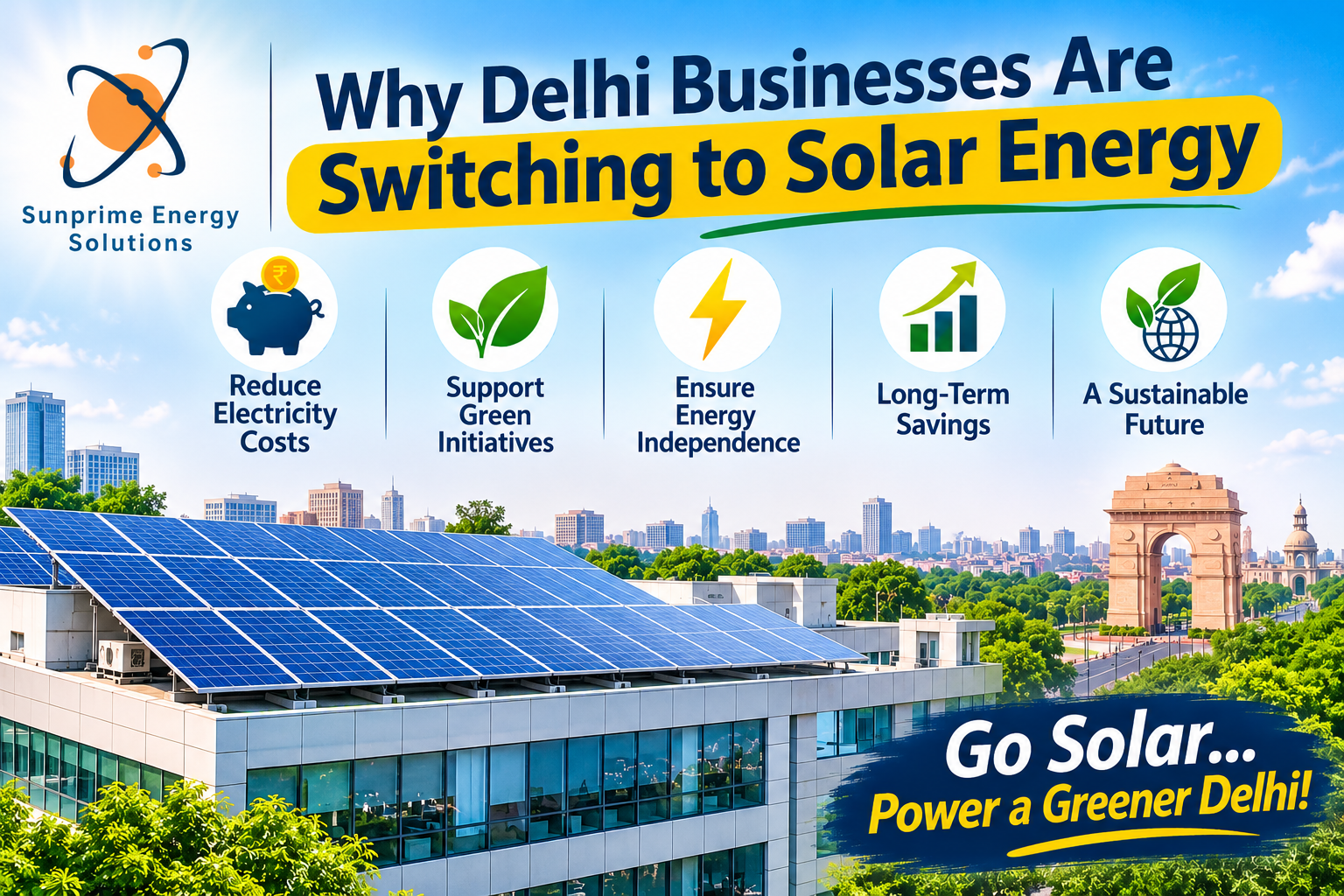
Delhi is not just India’s capital—it is one of the largest and strongest business ecosystems in the country, with key industries including retail, manufacturing, warehouses, hotels, hospitals, educational institutions, IT and communications companies, financial services, media, banking and tourism. Business owners across these industries are facing a common challenge: rising electricity consumption and costs, which remain a major operating expense for many businesses. These expenses directly affect production costs, profit margins, and long-term business planning, while tighter operational margins make managing energy expenses increasingly important.
Somewhere between managing production targets, workforce planning, and business expansion, companies are therefore exploring ways to manage rising energy costs, navigate volatile energy markets and evolving regulations, and reduce emissions while improving long-term sustainability. One solution emerging as one of the most promising is solar which is a renewable energy option.
With abundant sunlight for much of the year, Delhi offers favourable conditions for generating electricity from solar panels installed on rooftops. Rooftop solar has become one of the most practical and efficient ways to generate clean electricity while reducing long-term energy expenses. For businesses with suitable rooftop space and consistent electricity consumption, an optimised energy management strategy can help them make better use of solar power. Choosing commercial solar installation in Delhi can provide both financial and operational advantages while helping businesses reduce electricity costs and maintain a comfortable, well-lit working environment.
Rising Electricity Costs Are Driving Businesses Towards Solar
Electricity is an essential requirement for almost every business. Modern businesses utilize electricity in nearly all facets of life, including transportation, production, and heating systems. Home appliances and equipment such as lighting, air conditioning, computers, machinery, refrigeration systems, elevators, and other devices consume significant amounts of electricity and usually contribute considerably to monthly electricity bills.
For businesses operating during peak daytime hours, electricity is more than an operational necessity. That’s where solar energy for businesses in Delhi can step in and help produce electricity when energy demand is high. A properly designed commercial solar power system can offer a practical way to generate electricity from sunlight while reducing dependence on the conventional grid.
Instead of treating electricity only as a recurring operating expense, businesses can view a solar installation as a long-term investment that can help cut electricity costs while turning their unused factory roof into a savings asset. Rooftop solar captures a small fraction of the sun’s energy and converts it into electricity that businesses can use directly, providing ongoing value through reduced electricity costs.
Delhi Gets Plenty of Sunlight
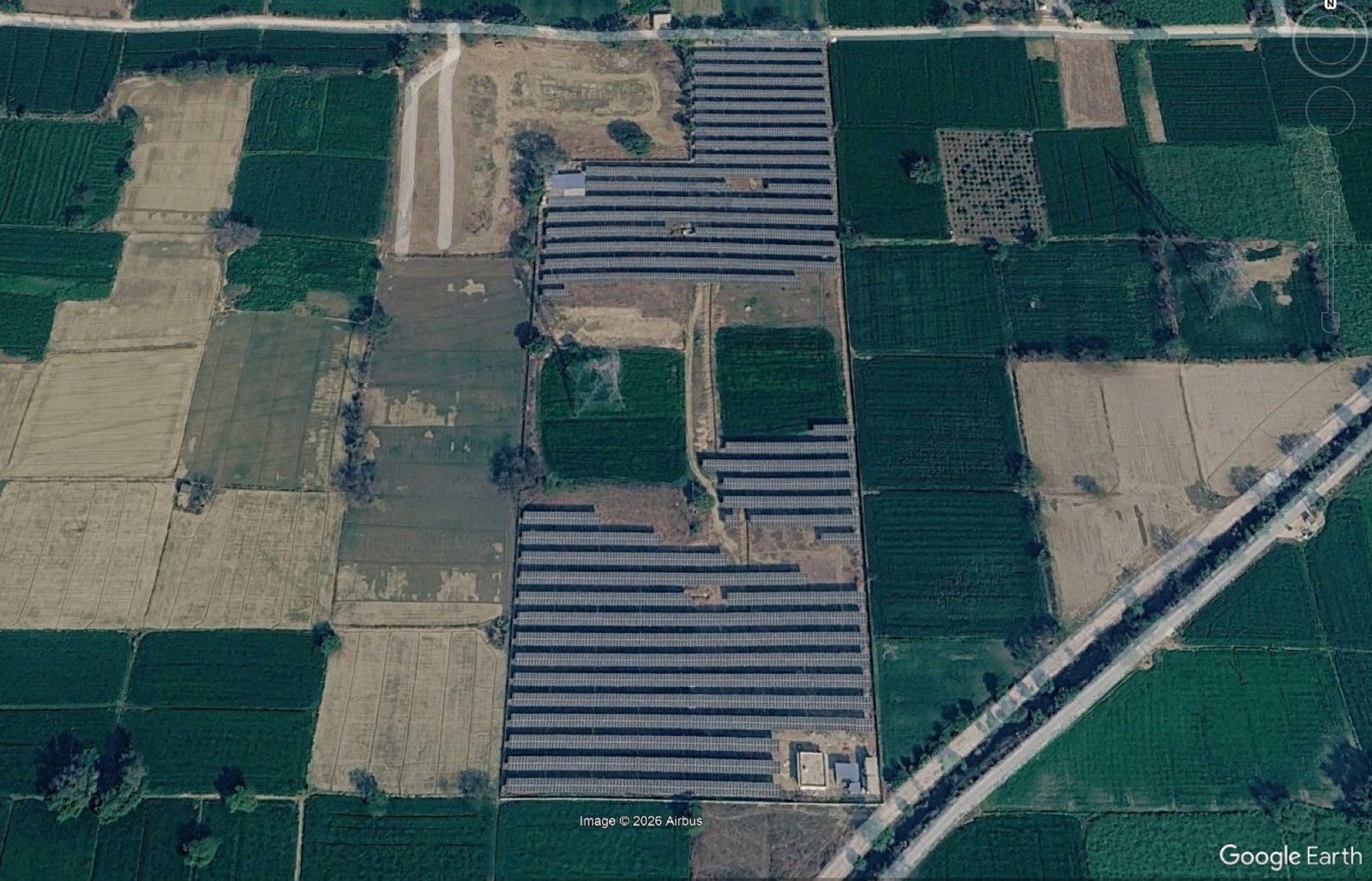
Delhi receives substantial sunlight throughout the year, which is why commercial properties and businesses are exploring renewable energy alternatives such as commercial rooftop solar in Delhi. By generating electricity from sunlight, businesses can make better use of their available rooftop space. It can potentially be equipped with photovoltaic solar panels, turning these already developed surfaces into productive spaces for local electricity production.
When investing in a solar solution, the actual electricity generation depends on several factors, including the available installation area, panel capacity, orientation, shading, system design, and local weather conditions. Therefore, businesses should conduct a professional site assessment to evaluate these factors before deciding on the size and configuration of a solar plant. This assessment includes inspecting the physical conditions of the building, analyzing shading, and evaluating the existing electrical infrastructure. A well-planned solar system can then help businesses generate electricity while making better use of their available rooftop space.
Solar Can Help Reduce Long-Term Energy Expenses
Indian businesses are reaping the benefits of solar power and finding the right solar partner for their journey. One of the key reasons businesses consider commercial rooftop solar in Delhi is the potential for long-term electricity cost savings and greater energy independence. By reducing their reliance on traditional energy sources and using renewable energy, businesses can better manage their electricity costs over time. Once a solar power plant is installed, the system can continue generating electricity over many years, bringing with it the promise of long-term savings, sustainability, and energy independence, subject to proper maintenance and component performance.
Although the initial investment can be significant, solar power systems can be viewed as a long-term investment with the potential for substantial returns. Businesses can evaluate the project based on their expected electricity consumption, available rooftop area, suitable system capacity, potential electricity savings, operating costs, and payback period. By generating their own electricity, businesses can reduce their reliance on grid power and potentially lower their monthly electricity bills. However, the financial outcome can vary depending on factors such as system size, electricity tariff, consumption patterns, installation cost, financing structure, and available incentives. These potential cost savings and long-term benefits make solar power an attractive renewable energy option for businesses. Also, for businesses who consume the most electricity and face higher electricity bills, factors such as potential electricity savings, installation costs, system capacity, and payback period can play an important role in long-term energy planning.
Businesses Are Looking for Greater Energy Independence
Reliance on grid electricity can expose businesses to changes in electricity tariffs and rising energy costs. As a result, business owners are increasingly focusing on clean energy options. Solar power for businesses gives them an opportunity to generate their own electricity at the point of consumption. However, this does not necessarily mean that a business can eliminate its entire dependence on the grid or produce 100 percent of its own electricity. The potential to enhance energy independence while reducing reliance on fossil fuels and centralized power grids, depends on factors such as the size of the solar system, the property's electricity demand, storage requirements, and applicable grid regulations.
Generating electricity on-site using on-site through renewable energy systems such as solar panels can give businesses greater control over a portion of their energy consumption and expenditure while helping them generate clean energy.
Sustainability Is Becoming a Business Priority
The environmental impact of grid energy which forms a larger portion of our electric supply, is also influencing corporate energy decisions. Solar power generates electricity without fuel combustion and produces no direct air pollutants or greenhouse gas emissions during operation, which can help businesses reduce the carbon emissions associated with their electricity consumption.
Companies are increasingly incorporating sustainability into their business strategies, and transitioning to renewable energy sources, driven by a combination of economic, environmental and social factors. Today, customers, investors, employees, and supply chain partners are becoming more environmentally conscious as awareness of environmental issues associated with conventional electricity generation continues to grow.
Installing solar panels is a sustainable step toward the future because it allows businesses to generate their own renewable energy while demonstrating their commitment to cleaner energy.
Rooftops Can Become Productive Business Assets
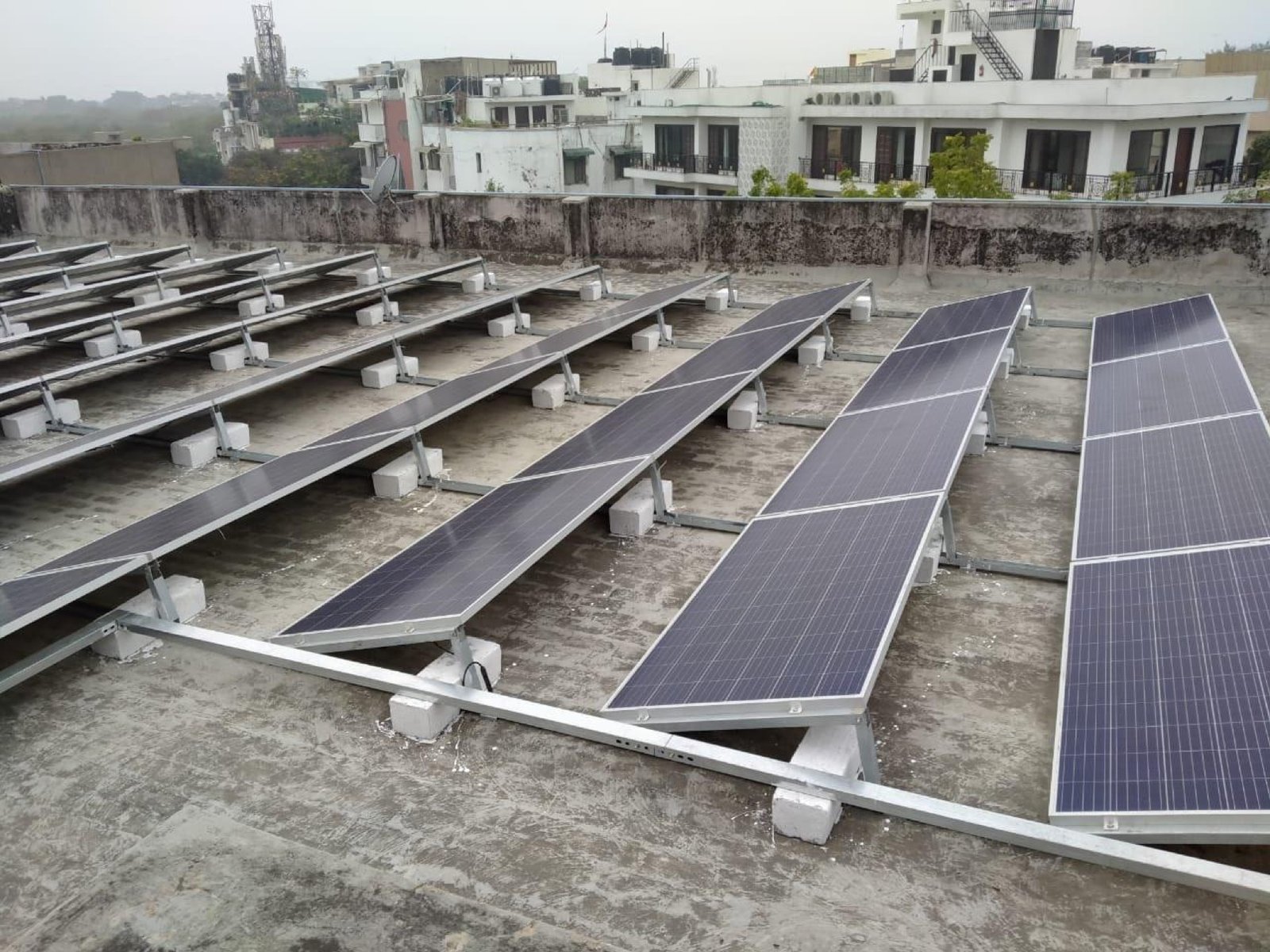
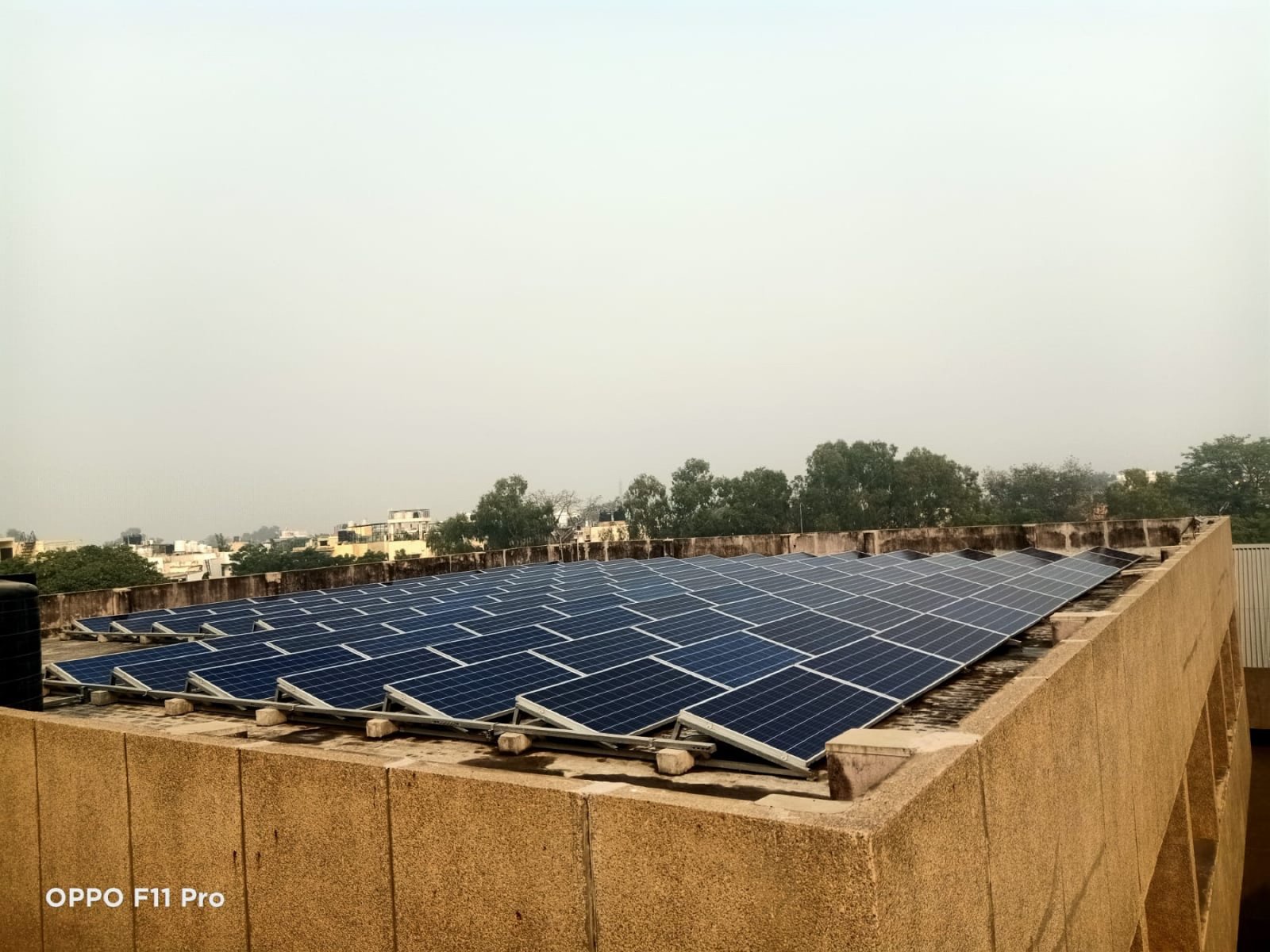
Commercial rooftops are often underutilized spaces, so businesses are installing solar panels to transform suitable rooftop areas into productive energy-generating assets that generate electricity from sunlight and deliver long-term value without requiring additional land. Solar power for businesses can be particularly useful for making better use of these existing spaces.
It is particularly relevant for commercial buildings such as offices, factories, schools, hospitals, malls, and warehouses, where large roof areas may be available. Before installation, however, the roof structure, and condition, available space, structural strength, load-bearing capacity, shading conditions, electrical infrastructure, and maintenance access should be assessed.
Sunprime Energy Solutions is a professional solar company in Delhi that evaluates these factors and designs a system based on the available space and how much solar energy the business wants to harness.
Solar Technology Is Becoming More Accessible
Modern solar panels are a marvel of engineering and are significantly more efficient than models available a decade ago. Such improvements in photovoltaic technology, engineering, monitoring, and installation practices have made commercial solar systems more accessible to businesses. Unlike traditional solar systems that often operated without detailed performance tracking, modern systems are designed with monitoring solutions that allow businesses to continuously track critical parameters of the solar plant — from energy generation to inverter efficiency and overall system health.
Businesses can also choose from different solar project financing models depending on their requirements. Whether a business plans to invest upfront and own the solar system from day one or is considering solar as part of its long-term infrastructure planning, the right approach depends on factors such as available capital, ownership preferences, electricity consumption, property ownership, and expected project duration.
What Should Delhi Businesses Consider Before Going Solar?
Switching to solar is one of the most practical solutions for businesses looking to reduce electricity costs and should begin with an assessment rather than simply selecting a system size. Businesses should review their historical electricity consumption, daytime load profile, monthly electricity expenses, available installation area, roof condition, electrical infrastructure, and future energy requirements before considering going solar.
They should also compare the installed solar energy capacity and expected electricity generation and financial returns with the initial one time investment project investment. Understanding applicable regulations, approvals, metering arrangements, maintenance requirements, and warranty terms is equally important.
Choosing an experienced solar company in Delhi like Sunprime Energy Solutions can help businesses manage the process from system design and engineering to installation, commissioning, monitoring, and ongoing maintenance. Procurement is also a critical phase in any solar photovoltaic (PV) project, involving supplier selection and onboarding, inspections, and the purchase of all necessary components required to install a solar plant.