For businesses, electricity is one of the largest operating costs on the balance sheet. Manufacturing facilities, warehouses, offices, educational institutions, hospitals, hotels, retail spaces, and other commercial establishments may consume substantial amounts of electricity for their daily operations. As electricity tariffs and costs in India are steadily increasing and continue to affect business budgets, creating a serious financial concern for commercial establishments, companies are increasingly exploring ways to reduce their dependence on grid-based electricity and control long-term energy costs without compromising their operations.
The commercial rooftop solar benefits for businesses include generating on-site energy, improving long-term energy planning, and reducing the amount of power purchased from the grid. Commercial rooftop solar can also serve as a long-term infrastructure investment that can help reduce operating costs, reduce reliance on grid power, and support environmental objectives such as sustainability. When properly designed around a facility's electricity consumption, a solar power system can turn unused rooftop space into a productive asset that can increase the value of the property.
How Does Commercial Rooftop Solar Reduce Electricity Costs?
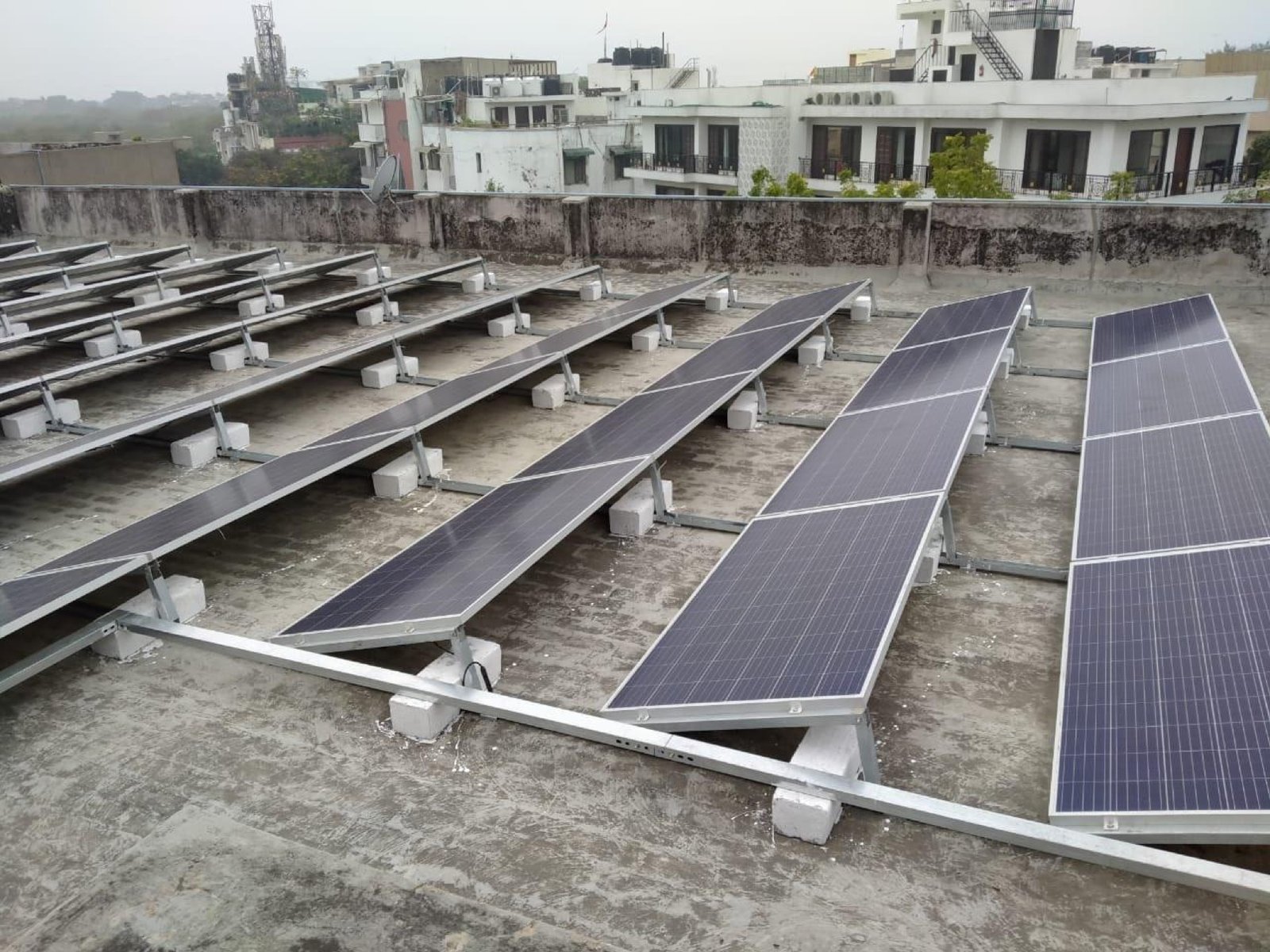
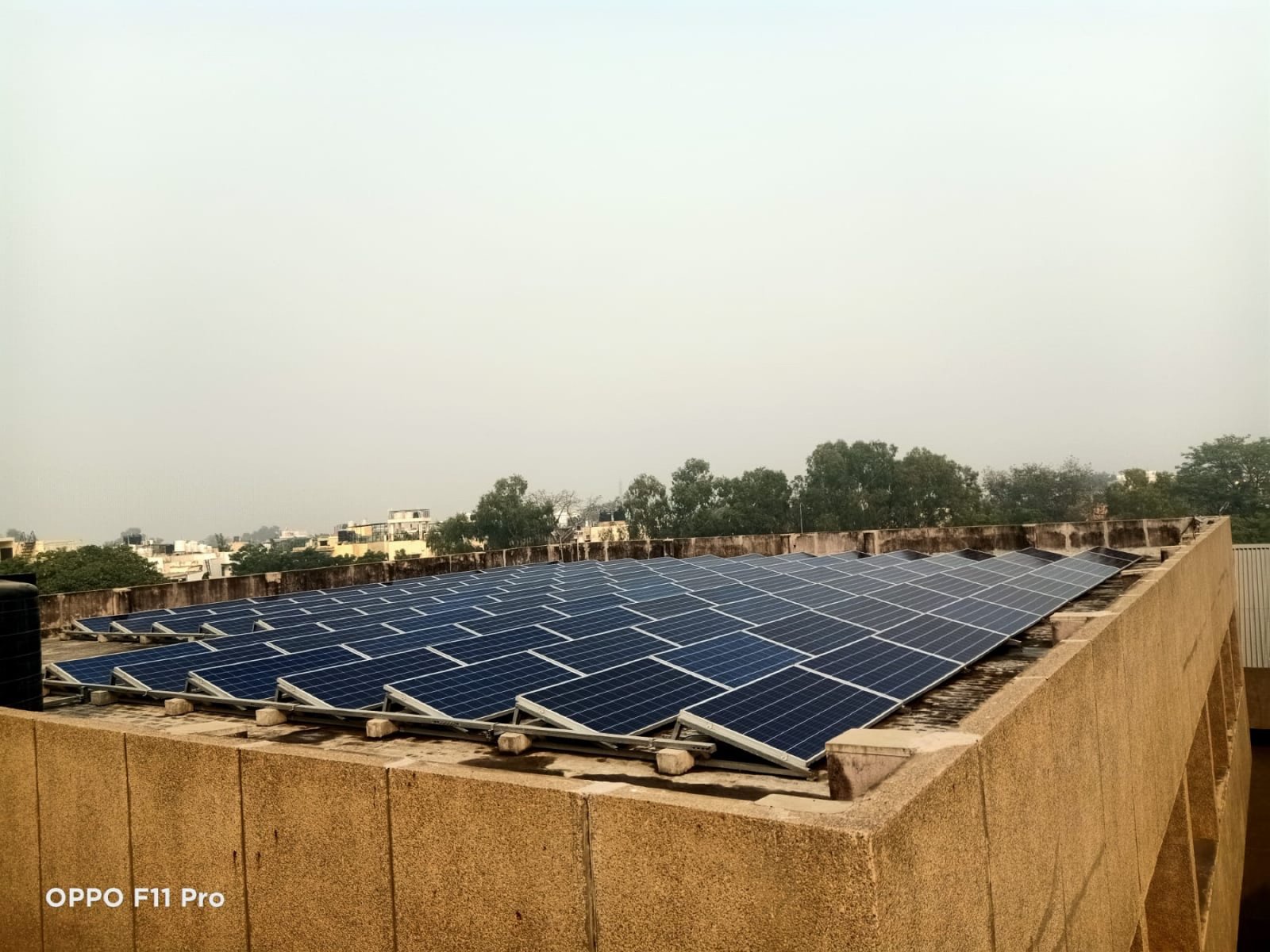
A commercial rooftop solar system is a photovoltaic system that uses solar panels on a building’s rooftop to generate electricity from sunlight. Such a system comprises photovoltaic modules, wires, solar inverters, mounting systems, and other electrical accessories and can be easily installed on the rooftop of a business facility. The electricity generated can be used to meet the facility's daytime energy requirements, which is essential for keeping production lines running, machinery operating and facilities productive. Furthermore, it reduces the amount of electricity businesses need to purchase from the grid, supporting commercial solar electricity cost savings, while improving resource efficiency and reducing their environmental impact.
Commercial and industrial facilities often have significant daytime electricity consumption, making them well suited for rooftop solar energy. A commercial solar system is usually designed around the facility’s load profile, available installation area, electrical infrastructure, and grid connection requirements, which can help offset grid electricity with a higher cost, during operating hours. Depending on the applicable electricity regulations and metering arrangement, eligible rooftop solar consumers may be able to export surplus electricity to the grid and receive a billing adjustment, with the applicable credit being applied against their electricity consumption.
Sunprime Energy Solutions designs professional commercial and industrial rooftop solar for businesses based on factors such as electricity consumption, roof conditions, shadow patterns, structural requirements, and expected generation to help reduce commercial electricity expenses. The company provides complete rooftop solar solutions for offices, malls, showrooms, hotels, hospitals, schools, retail buildings, warehouses and other commercial properties.
Key Commercial Rooftop Solar Benefits
Businesses considering installing solar panels often look beyond the initial installation cost and evaluate the long-term financial impact. Some important commercial rooftop solar benefits include:
Reduced Grid Electricity Consumption
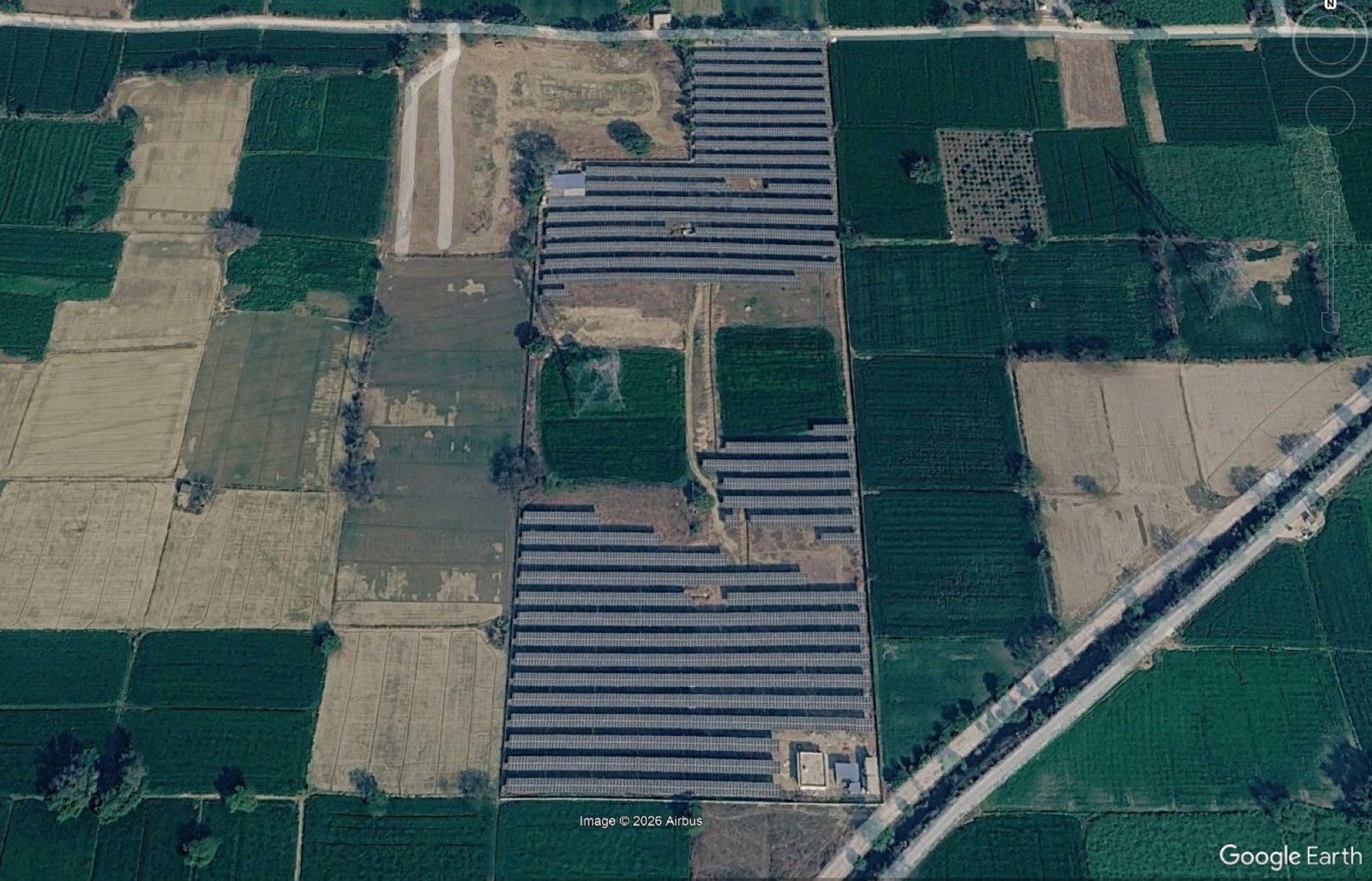
Solar energy systems installed on excess land, rooftops, or parking areas of industrial sites can directly offset electricity purchased from the grid. Over time, this can help reduce one of the largest operating expenses—energy costs—especially for facilities or businesses that consume substantial amounts of electricity during the day.
Better Control Over Energy Costs
While grid electricity tariff structures can change over time, energy costs can fluctuate, making energy budgeting more challenging. Generating part of the required electricity through solar can help businesses plan their energy costs over the long term, provide greater control over energy expenses, and protect them from future tariff increases.
Productive Use of Existing Roof Space
Large commercial and industrial buildings do not fully utilize their rooftops and often have considerable unused roof space. A rooftop solar system can hence be installed on the roofs of commercial and industrial facilities to generate electricity, converting this otherwise unused space into a productive, energy-generating asset without requiring additional land.
Potential Reduction in Demand-Related Costs
For some commercial facilities, electricity bills include demand-related charges, which are based on the facility's highest electricity demand during a specified interval within a billing period, in addition to energy consumption charges. A properly sized solar system can help reduce energy consumption during periods of peak demand and, depending on the facility's tariff structure and operating profile, may contribute to lower demand-related costs.
Understanding Commercial Solar Electricity Cost Savings
By generating their own power onsite, businesses can eliminate grid dependency during peak hours. However, the actual commercial solar electricity cost savings vary from one business to another. The actual savings depend on your consumption pattern, system size, current commercial tariff rates, roof orientation, shading, solar irradiation, equipment efficiency, applicable regulations, and operating hours.
Rooftop solar for business can be worth considering, but businesses should avoid relying solely on generic savings percentages when evaluating a project. Conducting a site-specific feasibility assessment can provide a better estimate of the actual power generation capacity and potential savings.
At Sunprime Energy Solutions, we conduct site surveys, structural and shadow analysis, load reviews, yield modelling, and system design, to help determine the appropriate system size and expected energy generation for each project.
What Determines Commercial Rooftop Solar ROI?
The commercial rooftop solar ROI reflects the financial return a company can receive from investing in a solar power plant over its operating life and is influenced by the project's initial investment. For commercial and industrial projects, ROI is based on electricity consumption, tariff rates, financing structure, solar generation efficiency, equipment and installation costs, roof conditions, system size, electricity generation, maintenance requirements, and applicable incentives.
A well-engineered solar system can also protect the expected financial returns by maintaining consistent generation over its operating life and can provide the advantages of renewable energy, which is driving rapid expansion in the sustainable energy market. At Sunprime, we look at the key components that contribute to an industrial solar system’s cost, including solar modules, inverters, balance-of-system components, electrical infrastructure, engineering, installation and commissioning. We also provide monitoring and O&M services designed to support long-term plant performance.
Is Rooftop Solar a Good Investment for Businesses?
For businesses with suitable rooftop space and significant electricity consumption, commercial solar power systems can generate electricity through photovoltaic solar panels and can be an important part of a long-term energy strategy. While the right rooftop solar for businesses depends on electricity consumption, daytime load, roof area, shading, structural conditions, businesses should compare system capacity, expected generation, equipment specifications before selecting a solar provider. Instead of purchasing all electricity from the grid, a business can generate electricity on-site to meet part of its power requirements through solar and potentially reduce recurring electricity expenses.
However, the financial benefits depend on the individual facility and should be evaluated through a detailed feasibility study, which includes a comprehensive preliminary assessment of whether a proposed solar project is technically viable. A properly engineered system, accurate load assessment, suitable equipment, professional commercial solar system installation, and ongoing monitoring can help businesses evaluate the decision before deploying solar energy systems, ensuring that the transition is both strategic and beneficial.
With the right approach, rooftop solar for businesses can convert unused space into a productive asset while supporting more predictable and potentially lower electricity costs over the long term and directly contributing to profitability.